Find answers to common questions about treatment, insurance, patient care, and what to expect during your visits. This section provides clear guidance to help you understand the process and make informed decisions about your care.


Oregon State License #6827
Board Certified in Therapeutic Massage Therapy #2001062
Oregon Chapter AMTA Chairman for Conventions & Education
He graduated in 1998 from East-West College of the Healing Arts in Portland, OR.
Afterwards he has worked in Chiropractic Clinics, Physical therapy Clinics and also in his private practice. Each has given him vast experience in efficient modalities to give clients a fast recovery from car accidents, work injuries and other soft tissue injuries. During the past 2 decades, Jamin also has worked with professional and non-professional athletes on the sports medicine team for the Subaru George Games and the Mt. Hood Ski & Snowboard Competitions
Portland Massage Therapy offers a range of orthopedic and therapeutic massage services designed to relieve pain, restore mobility, and accelerate recovery. Our experienced therapists provide personalized care for car accident injuries, workplace injuries, muscle pain, and rehabilitation needs. Every session is tailored to ensure effective and safe treatment for lasting results.
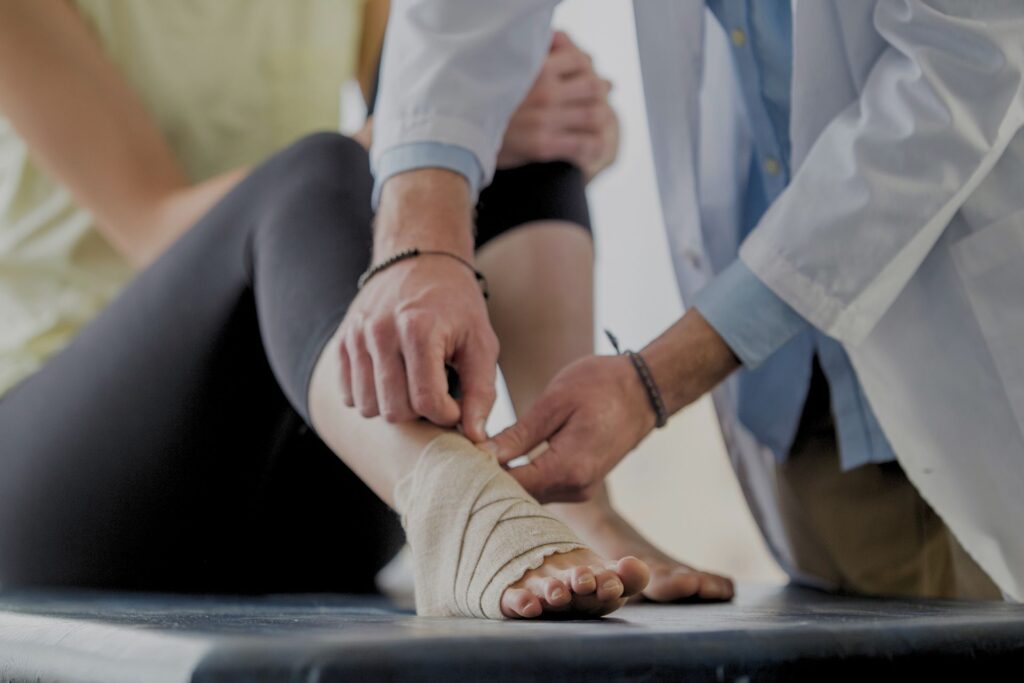
Specialized therapy for injuries sustained in motor vehicle accidents. Helps reduce pain, improve flexibility, and support faster healing through professional orthopedic techniques.

Massage therapy focused on on-the-job injuries. Relieves pain, restores function, and promotes recovery with individualized treatment plans by experienced therapists.
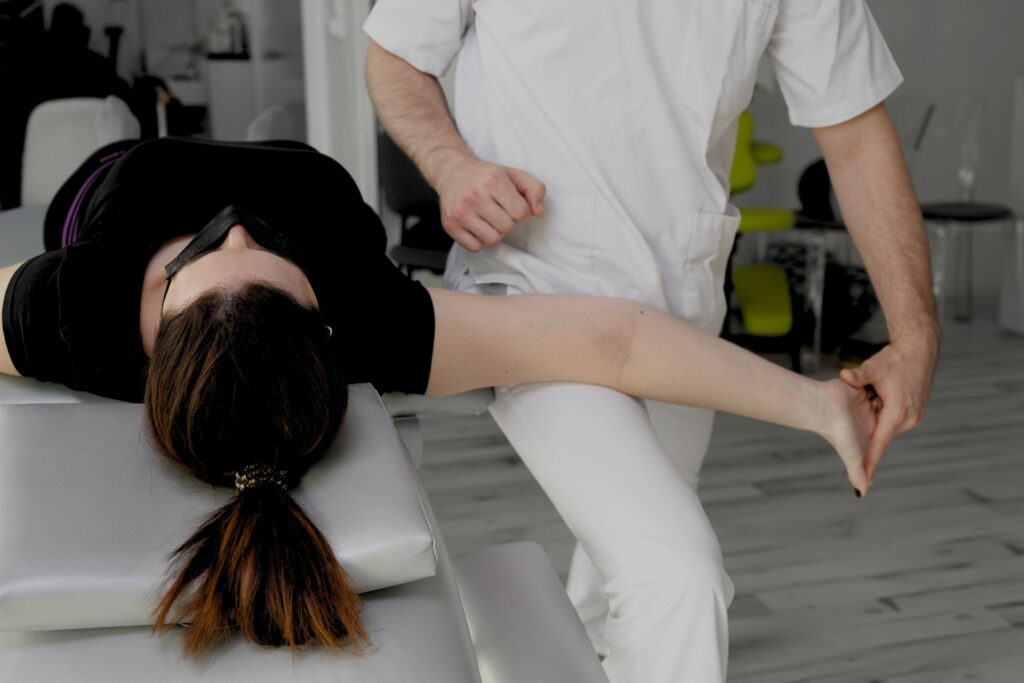

Relieves muscle tension, stiffness, and soreness with targeted techniques. Enhances mobility and comfort, supporting overall health and effective injury recovery.
At Portland Massage Therapy, we provide professional orthopedic medical massage for car accident and workplace injuries. Our experienced therapists deliver personalized treatment plans, effective pain relief, and accelerated recovery, ensuring every client feels supported and achieves lasting results.
Professional therapists with decades of experience in injury massage therapy.
Tailored treatment plans designed to meet each client’s recovery needs.
Techniques focused on accelerating healing and reducing pain effectively.
Targeted massage therapy to reduce discomfort and improve mobility.
Reliable, certified therapists providing safe and effective treatment consistently.
Specialized care for car accident and workplace-related injuries.
We work alongside Chiropractors, PTs, MDs & Acupuncturists.
Dedicated guidance and care throughout your entire recovery process.
Flexible appointment times to fit your busy lifestyle and needs.
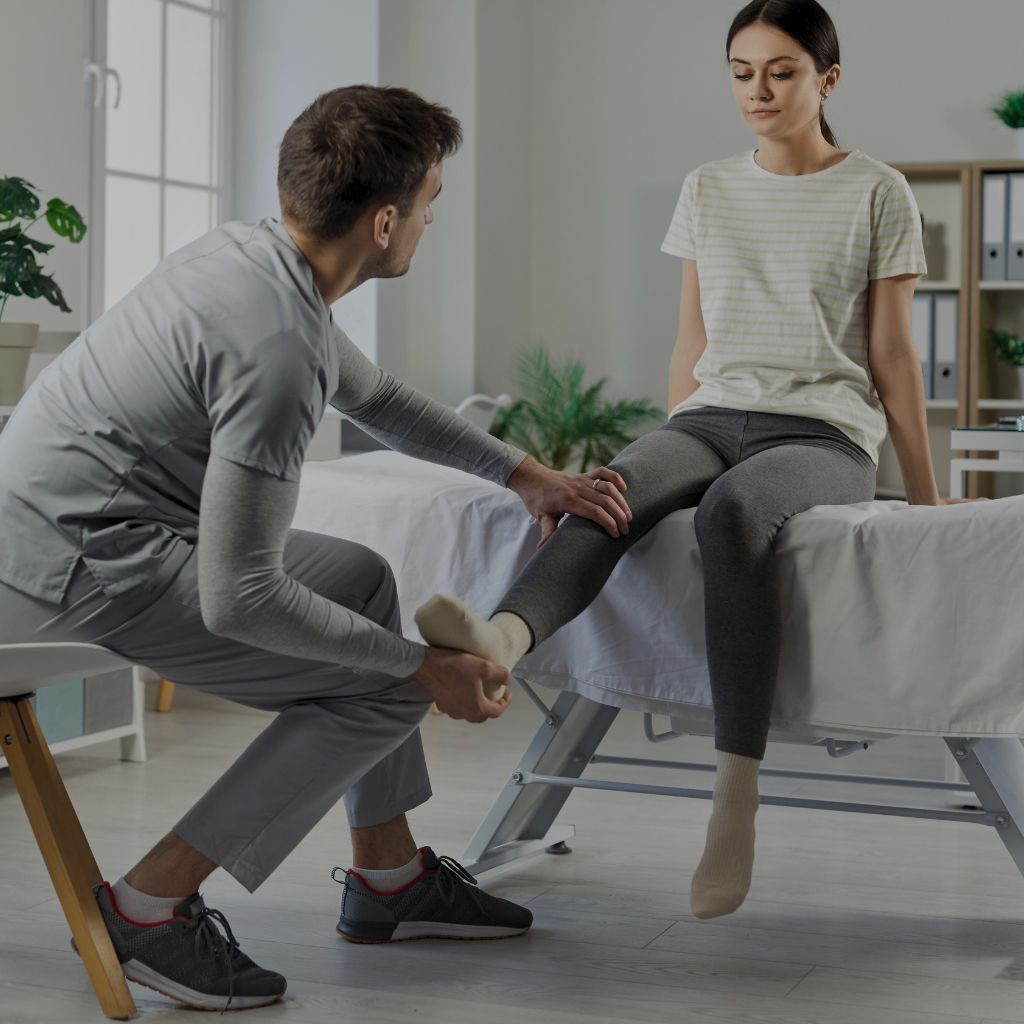
At Portland Massage Therapy, we follow a clear, client-focused process to ensure safe, personalized, and effective treatment for injury recovery. Every step is designed to maximize healing and comfort.
Book your session online or by phone at a convenient time.
Our therapists evaluate your injury and create a personalized treatment plan.
Receive professional massage therapy focused on pain relief and mobility.
Follow-up guidance and exercises to maintain results and prevent re-injury.
Portland Massage Therapy provides professional orthopedic medical massage for individuals recovering from car accidents, workplace injuries, or muscle pain. Our personalized approach ensures safe, and compassionate care for all clients.
Trustindex verifies that the original source of the review is Google. Have had neck injury for several years ?although it hurt his procedures helped me have more movement a n d energy in a long time?very knowledgeable,uses that to help in best way possiblePosted onTrustindex verifies that the original source of the review is Google. I am hesitant to rave about the level of care I’ve received at Portland Massage Therapy. Jamin is busy enough as it is. That said, the competence, professionalism and relief that I’ve experienced in a few sessions is far beyond anything I’ve experienced in 35 years of managing an injury resulting from a violent car collision. When I say managing, I am referring to physicians, physical therapists, chiropractors, massage therapists, shamanic work, floating (sensory deprivation tanks) you name it. If you’re looking for a recreational massage, go somewhere else. Leave time in his schedule for those of us who need legit healing to improve the quality of our lives.Posted onTrustindex verifies that the original source of the review is Google. Jamin gave me an excellent massage for my hip pain. His office felt clean, professional, and safe. He takes health and privacy concerns very seriously. I wouldn't hesitate to recommend him to my friends and family.Posted onTrustindex verifies that the original source of the review is Google. I had such a pleasant experience! Jamin is very knowledgeable, and efficient. He takes the time to listen and pay attention to detail, I always leave feeling revived. I would definitely recommend anybody experiencing back/neck pain to go to Jamin.Posted onTrustindex verifies that the original source of the review is Google. Highly recommend, he is very professional friendly I’m very happy with my resultsPosted onTrustindex verifies that the original source of the review is Google. Jamin is a wonderfully skilled therapist.😀 in 5 or 6 sessions he has put me on the path to full rehabilitation from a sports injury that I had struggled with for years. Absolutely would highly recommend him to any athletes or active folks struggling from a nagging sports injuryPosted onTrustindex verifies that the original source of the review is Google. Jamin is the best massage therapist I've been to. He knows the human body extensively, pays attention to what's hurting, and knows how to help. I've gone to him five times or more and I appreciated it every time.Posted onTrustindex verifies that the original source of the review is Google. Best deep tissue massage I’ve had in a while. My upper back and neck felt so much better after the massage and the effects were much more lasting compared to other massages. I am definitely going back.Posted onTrustindex verifies that the original source of the review is Google. If you crave deep tissue release work, book an appointment with Jamin. He goes as deep as you need, but is also very responsive to how deep you actually want it. I am a rehabilitative manual therapy practitioner myself, so I truly understand the benefits of deep tissue release work for proper tension-free joint movement and effective pain relief. Jamin‘s work is very, very good. I recommend him highly!Verified by TrustindexTrustindex verified badge is the Universal Symbol of Trust. Only the greatest companies can get the verified badge who has a review score above 4.5, based on customer reviews over the past 12 months. Read more
Find answers to common questions about treatment, insurance, patient care, and what to expect during your visits. This section provides clear guidance to help you understand the process and make informed decisions about your care.
The simple answer is, YES.
I will work closely with your existing providing physician, or if you do not have one, recommendations will be provided within my network of specialists.
Here is more information regarding your rights as a patient seeking treatment:
By law, insurance will pay for medically necessary massage therapy for injuries sustained in a car accident.
You are free to go to any medical provider or facility that you choose. You do NOT have to use your own health insurance providers nor facilities.
Oregon State law minimum for your personal injury protection (PIP) is $15,000 for all treatment, including massage therapy, for up to 2 years from the anniversary date of the motor vehicle accident.
In the State of Oregon, you must file a car accident report within 72 hours of the accident if there are any personal injuries to avoid your license from being suspended.
How long is my first visit? (Simple vs. Complex)
Intake Paperwork (5mins vs 30mins)
Consultation (5mins vs 30mins)
Session (25mins vs 55mins)
Client
Client is self referred
Quick intake form/questionnaire (1-5 minutes)
Client does NOT have a Doctor’s prescription
Client pays at time of service
No treatment notes are created after a client’s session
Client determines frequency of visit/duration
Sessions for a client may last 25-55 minutes
No documentation provided to a client except receipt of payment upon request
Patient
Patient may be self referred or referred directly from a Doctor
Patient provides prescription for massage therapy treatment under the direction of the Doctor
Lengthy intake process (30-45 minutes)
Patients visits billed in 15 min increments
Direct billing to insurance companies in behalf of the Patient (1-3 month process)
Max reimbursement rate set by the State of Oregon under the Medical Fee Schedule.
Patient Treatment Notes or “S.O.A.P Notes” made after every visit to include subjective and objective findings, an assessment of the problem followed by the plan of action.
Treating Doctor determines frequency and duration of visits for their patient
Documentation provided to insurance companies and legal offices for testimonials as needed
Loose fitting clothing (t-shirt, tank-top, shorts, sweats, etc.) or
Draping will be provided and/or
Medical Gown may be provided
Modestly WILL be maintain at ALL times
All massage therapists must meet the minimum requirements by the state board of massage therapists and pass a written and practical exam and pass with at least 70% in order to obtain their state license. It is ILLEGAL to practice massage therapy without a license from the State of Oregon.
All massage therapists must renew their licenses every two years and meet the minimum requirements for continuing education.
Each massage therapist may choose to specialize and obtain extra training in order to specialize in a particular field of massage.
While all therapists must meet the minimum standards in education and pass the Oregon State board exam to become a LMT, every therapist must choose which course to take in their careers. Some may choose relaxation or spa massage while others may choose to increase their education levels to work with injury recovery. The later group spend years accumulating experience in the varying different types of modalities.
Some therapists may excel in giving a good relaxing Swedish massage, they may lack the experience and confidence needed to assess the needs of a client who is suffering from an acute injury sustained from a high velocity accident. The danger involved in choosing a massage therapist that does not have the proper training could result in increased recovery time and unnecessary pain and can even make the injury worse overall.
Some professionals will tell you all you need to do to recover from an injury is exercise and stretch. But natural instinct tells us that right after we hurt ourselves we need to rest the injured area. While exercising and stretching are key factors in a complete recovery they should only come after the affected area is healed first. Then exercising to restore strength and stretching to
restore flexibility would be indicated.
This has been a question that many healthcare providers have vacillated on. In the past 10 years or more there has been a change from using varying hot and cold packs every 24 hours. Now the understanding is that heat should be used for chronic muscle stiffness and ice should be used for acute muscle pain. To understand how and when to use these modalities we need to understand the basic functions of hot and cold on the human body. Cold constricts while heat inflames.
When considering the inflammation of an injury we first and foremost need to control the inflammatory response. Using ice for 10-15 minutes will decrease the inflammation and decrease the pain response. Using ice for more than 15 minutes increases the chance for frostbite and will also trigger the body’s natural protective response to sustained cold by increasing blood flow to the affected area. This increased blood flow will undue the positive effects by again increasing inflammation.
Heat should only be used with a chronic problem area that we want to temporarily increase blood flow. For example, before stretching or exercising. As a rule of thumb, never use heat after any activities since the body temperature and ensuing inflammatory response is already heightened.
This is one of the most frequently asked and difficult questions to answer. In short, it depends on you. Since everyone’s injury is unique, along with their individual body’s natural ability to heal, the length can vary greatly. Commonly, those who were more active before the injury occurred seem to heal more rapidly due to their better overall health, considering they refrain from activity during the healing process.
That being said, even the healthiest amongst us will need ample time to heal from an accident with a lot of velocity. The key to a rapid recovery starts with getting treatment as soon as possible after the injury.
The body’s amazing ability to heal and adjust can be both a blessing and a curse. If left on its own, without proper guidance, the body may mask over the pain and immobilize the affected area with scar tissue. At times this happens without notice since our body will naturally adapt to its new circumstances. If left for too long, these adaptations may become permanent. The sooner we can get the body healing itself correctly, the sooner you can return to your normal way of life.
While there is some truth to the old adage, “no pain, no gain”, there needs to be a balance struck. This is where an experienced massage therapist is absolutely essential.
There are times when treatment might produce discomfort at the moment and then quickly vanish afterwards and or be completely pain free and noticed the next few days. This is the body’s natural process to alert you that there is an injury that needs to be addressed.
While some discomfort is unavoidable, there should always be proper and immediate communication between client and therapist as to how the treatment is going. The therapist is able to feel the muscle tissue, but is unable to determine how this touch translates into the mind of the client. No professional therapist should take any offense to a client’s concern nor to a request to stop immediately.
If a massage therapist is providing the “exact” same service to a client they can not then
“up-charge” an insurance company double than what they would normally charge someone if
they paid cash. This would be considered insurance fraud. We first need to determine if we are
comparing the same services. For example, we would not expect a mechanic to charge the same
price to replace brake pads as they would charge to replace an engine. The latter requires more
skill and time. So when does the service change when it comes to massage therapy?
When someone goes to a massage therapist for a relaxation massage:
● Minimal, if any, intake paperwork
● Client in charge of their own options
● Client pays at time of service
● No paperwork made after session
● No support given after session
● Minimal education level needed to provide a relaxation massage
When someone goes to a massage therapist for treatment from a car accident:
● Lengthy intake paperwork
● In depth consultation and assessment of injury
● Understanding and ability to follow closely the treating Doctor’s prescription
● Constant contact with referring physician’s office
● Treatment or “SOAP notes” made after every treatment session to include Subjective and
Objective findings along with Assessment and Plan of action
● Billing is filed and sent to insurance company
● Continual contact with insurance company for reimbursement (3-4 month process)
● Support given to any legal services rendered
● In depth knowledge of human body in the recovery process
● Understanding of medical and insurance terminologies